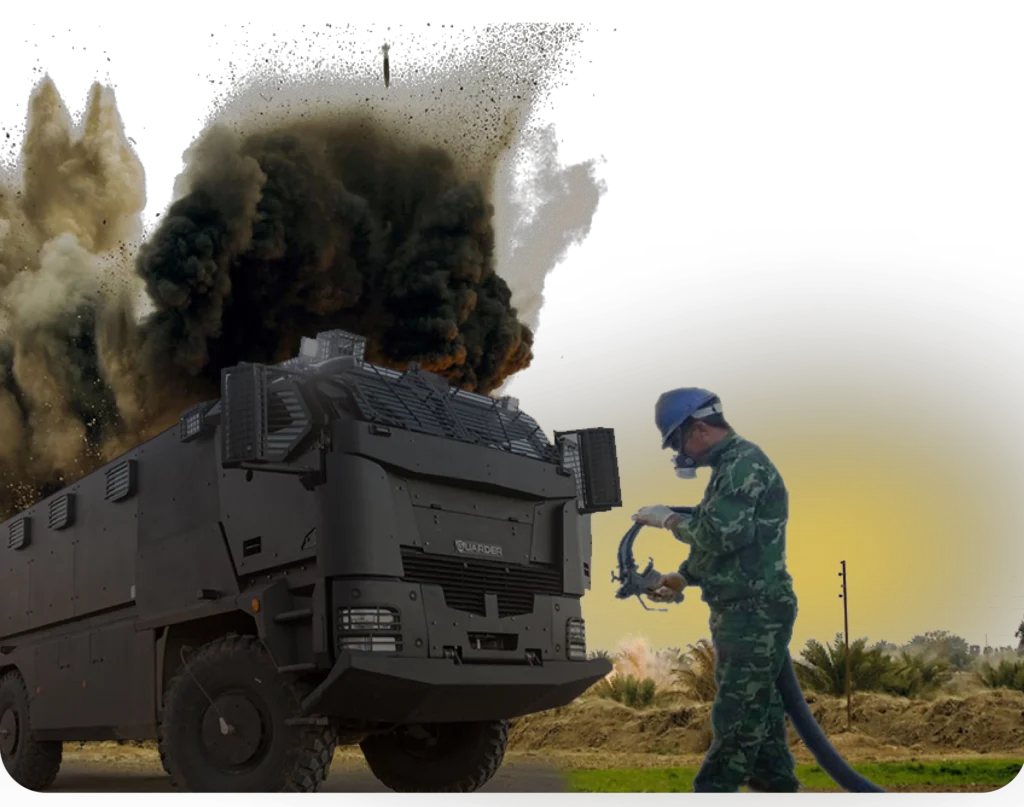
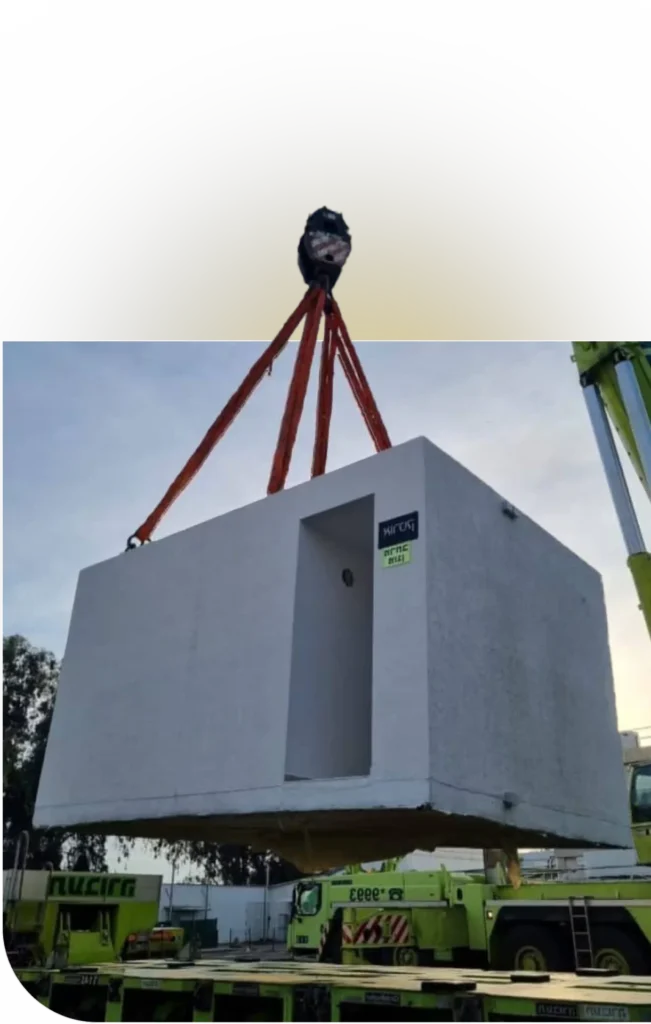
It has been a concern as long as people have started to build structures, to make sure that the structures are protected against blasts. The very first civilizations also new the importance of explosion but they did not have the material to make something to against it. With the advancement in technology the need for stronger defenses also increased. The change from reinforced walls to the present polyurea coatings is a process of development and necessity.
The First Efforts at Blast Protection
Primary engineers constructed fortifications with thick stone walls that could withstand the force of primitive explosives. These structures worked on the principle of mass to deflect the energy. As gunpowder began to change the nature of wars, builders also responded by increasing the thickness of the walls and reinforcing them with layers of earth. This remained a good solution for several centuries.
The industrial revolution was a boom in materials but at the same time there were more powerful explosives. Brick and stone which were once very reliable gave way to the strongest blasts. Engineers turned to concrete because it was more resistant than the previous materials used. Military bunkers and important infrastructure include reinforced concrete, which are designed to undergo energy absorption instead of failure.
The Shift to Modern Materials
The twentieth century was a period of increased speed and increased threats. It was evident from the World Wars and industrial accidents that blast protection required more than the mass. Composites, steel reinforcement, and energy-absorbing designs were also explored by the researchers.
Polyurea was identified as a new blast mitigation material. Polyurea was originally developed for protective coatings but it showed unique energy dissipation characteristics. Not being a rigid material it has a degree of flex which it exhibits on impact, in order to distribute the force and prevent structural failure. Polyurea was quickly taken up by governments and industries for military purposes, embassies and high risk installations.
Where Blast Mitigation Is Heading
Blast resistant structures are being designed with polyurea coatings integrated by engineers today. Unlike traditional materials, it is possible to paint polyurea on to concrete, steel and most composites to strengthen without having to add much weight. Utimately, polyurea coated surfaces have been shown to better withstand explosions than uncoated surfaces.
Future developments of blast mitigation will involve enhancing material compositions. Polyurea based hybrid coatings, which are further reinforced with nano fillers, are the focus of researcher’s work as they provide increased longevity without compromising on the flexibility. Other smart materials that can react dynamically to the applied force may also play a role in changing the protection concepts fundamentally.
As the threats increase, so does the need to develop new materials to address the threats. It has been polyurea that has greatly transformed the way that engineers have been able to address the issue of blast mitigation while at the same time ensuring that the structure is not too rigid. The following is why the future of protective coatings is clear: providing resilience with minimal weight increase.