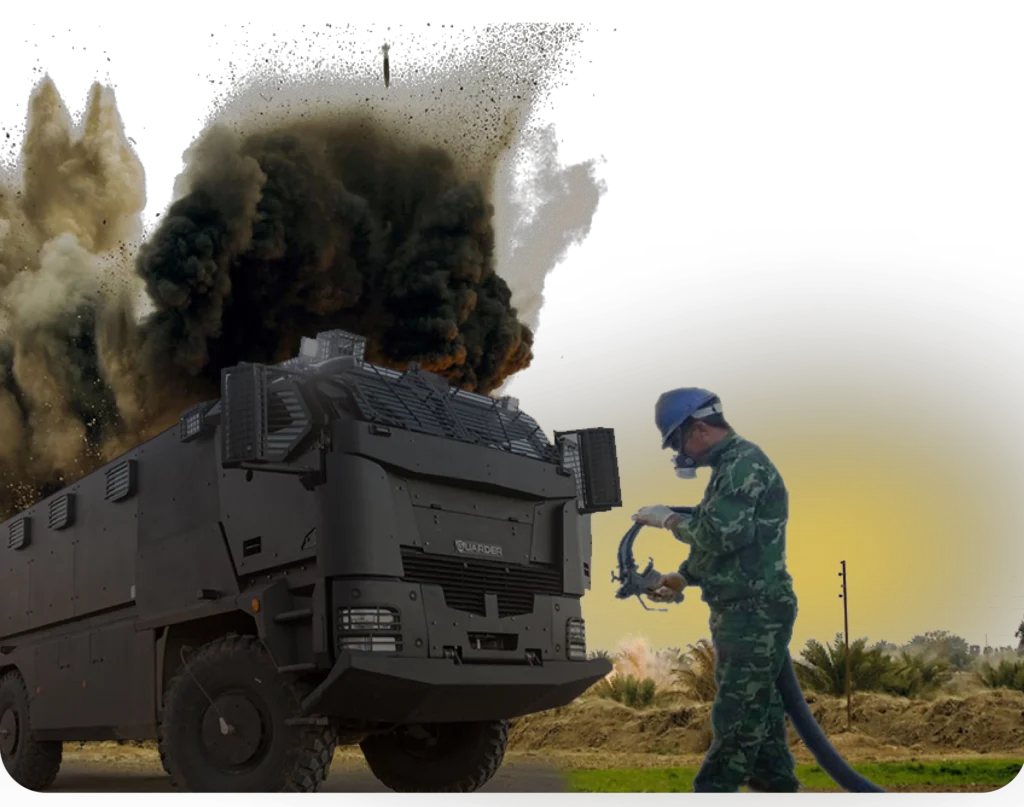
Enhancing blast protection is a component of modern safety measures. Safeguarding buildings and individuals against the impacts of explosions necessitates approaches and materials. Recent progress in blast protection has introduced techniques with polyurea standing out as a significant material for this purpose.
Polyurea, a durable coating known for its strength and adaptability, has become an excellent option for mitigating blast effects. When applied to surfaces, polyurea creates a barrier that can absorb and disperse explosion energy. This feature plays a role in preventing damage and minimizing injury risks.
A key benefit of polyurea is its capability to bond with surfaces, enabling its application on concrete, steel, wood, and other common building materials. During an explosion, the polyurea coating works as a shock absorber, lessening the impact transmitted to the structure beneath it. This function helps maintain building integrity and safeguard occupants.
Polyurea coatings are frequently utilized on walls, ceilings, and support pillars in blast protection applications since these areas are prone to failure during explosions.
By strengthening these components polyurea improves their ability to endure high pressure waves and impacts. This enhancement is especially crucial in places like installations, government offices, and industrial facilities where the risk of explosions is heightened.
Another important use of polyurea in blast protection is in upgrading existing buildings. Applying polyurea coatings can enhance older structures that were not originally designed to withstand blasts. This upgrading process involves coating parts with polyurea to boost their durability. The building’s lifespan can be prolonged, and safety levels increased without renovations.
Research and testing support the effectiveness of using polyurea for blast protection. Studies have demonstrated that structures coated with polyurea show blast resistance compared to those without coating. This enhancement is attributed to the material’s tensile strength and elongation properties. When faced with blast forces, polyurea absorbs the impact energy, preventing collapse.
Additionally, another advantage of using polyurea in blast protection applications is its curing time. Conventional protective coatings may require days or weeks to cure, leaving structures vulnerable during this period. In contrast, polyurea cures rapidly, within seconds or minutes, offering safeguarding. This swift curing time proves essential in scenarios where prompt reinforcement is imperative.
Polyurea provides protection and benefits in terms of application and maintenance. This material can be applied to surfaces using equipment, ensuring a coating. This easy application process helps reduce labor costs and decrease downtime for facilities that are being renovated or reinforced.
Maintaining polyurea coatings is simple. The material is resistant to chemicals, UV rays, and weathering, ensuring lasting performance with maintenance. Regular inspections and minor repairs can help keep the coating in good condition, offering protection against explosions.
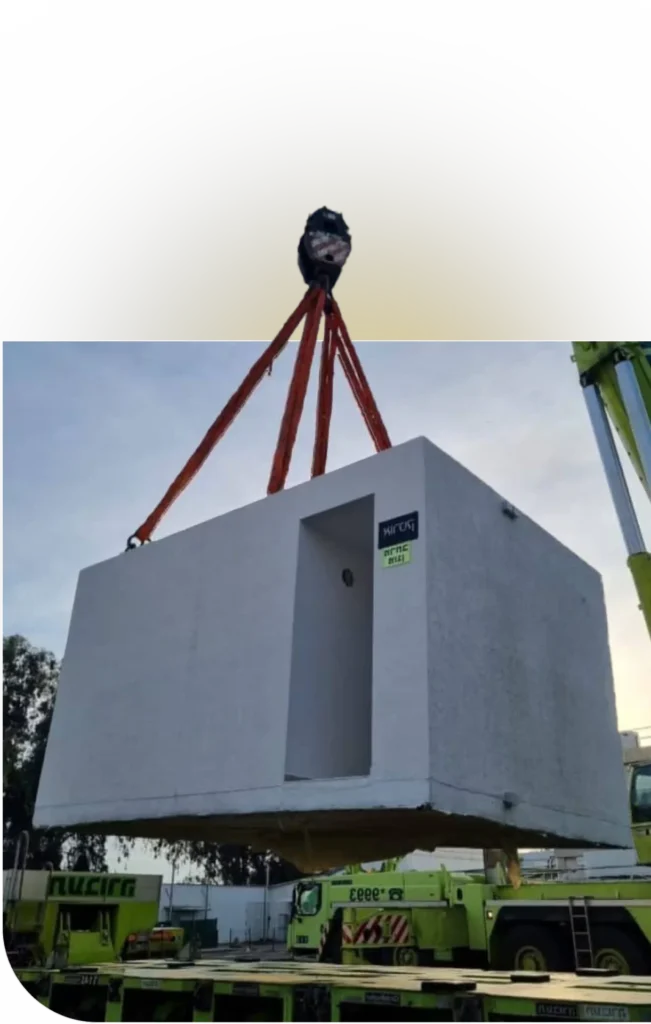
In addition to uses, polyurea is also utilized in barriers and blast-resistant enclosures. These solutions are deployed in high-risk areas to contain explosions and safeguard personnel and equipment. For instance, barriers coated with polyurea can be placed around equipment or dangerous materials to prevent damage and lower the risk of explosions.
Incorporating polyurea into blast mitigation strategies marks an advancement in the field. Its distinct properties and proven effectiveness make it a valuable asset for enhancing safety and resilience. As threats evolve, the importance of blast mitigation techniques becomes more evident. Polyurea emerges as an adaptable material that tackles these challenges head-on.
In summary, safeguarding structures and individuals from the impact of explosions necessitates solutions. Polyurea, known for its durability, flexibility, and curing time, has become a material in this endeavor. Its capacity to strengthen and shield surfaces makes it a top choice for construction and renovation projects. As research and innovation progress, polyureas’ role in blast protection is expected to broaden, enhancing safety measures further. This advancement demonstrates a dedication to refining blast mitigation methods. Ensuring a secure environment, for everyone involved.