Blast prevention is a concern, in industries and settings where explosions can endanger people, buildings and equipment. Methods to lessen the impact of explosions focus on safeguarding structures and minimizing destruction. Polyurea has become a choice for boosting blast resistance among the techniques available. This piece delves into blast prevention methods highlighting how polyurea contributes to safety and resilience.
Understanding Blast Prevention
Blast prevention strategies aim to shield structures from explosion forces. The objective is to absorb, redirect or diminish the energy released during an explosion to minimize its effects on surrounding areas. Effective blast prevention not saves lives. Also safeguards crucial infrastructure integrity cutting repair expenses and downtime.
The methods employed in blast prevention vary based on structure type, threat levels and environmental demands. Common approaches include strengthening structures using energy absorbing materials and applying coatings that prevent fragmentation and decrease blast impact.
The Role of Polyurea in Blast Prevention
Polyurea has garnered attention recently due to its effectiveness, in blast prevention.
This elastomer coating, applied through spraying is versatile and long lasting suitable, for use on surfaces like concrete, steel and wood. In structures polyurea improves their resistance to forces making it a valuable asset in environments where blast threatsre a concern.
A key strength of polyurea in blast protection lies in its capacity to absorb and disperse energy. During an explosion the shockwave produced can cause harm to structures. Polyurea coatings help absorb the blasts energy decreasing the chances of failure. This energy absorption is crucial in preventing building materials from breaking which could lead to harm and destruction.
The flexibility of polyurea also plays a role in blast protection. Unlike materials to cracking or breaking under pressure polyurea can stretch and deform without compromising its protective qualities. This flexibility enables it to dampen the impact of an explosion without jeopardizing the surfaces integrity. Consequently structures coated with polyurea are more resilient against explosion induced forces lowering the risk of failure.
Another advantage of polyurea in blast protection is its curing time. Polyurea solidifies rapidly post application enabling installation with disruption, to operations.
Polyurea is an option, for upgrading existing buildings or for situations where time’s of the essence. Its curing time means that the protective coating becomes effective after application offering immediate blast protection.
Polyurea is widely used to enhance blast resistance in military scenarios. One common use is reinforcing walls and structural elements in buildings. Applying polyurea to walls whether inside or outside provides added protection against forces, crucial for structures housing critical infrastructure like power plants, data centers and government facilities.
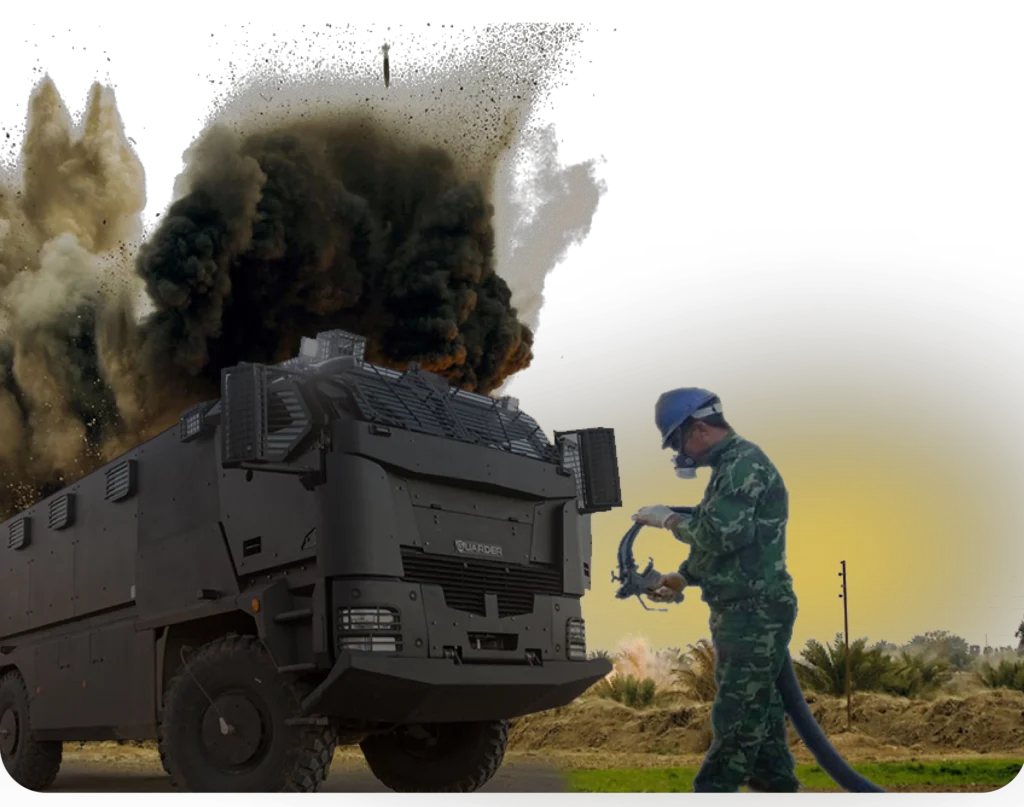
Aside from support polyurea is also employed to safeguard vehicles and equipment from blast impacts. Military vehicles are frequently coated with polyurea to enhance their survivability during explosions by reducing blast effects and preventing shrapnel penetration ensuring the safety of both the vehicle and its occupants.
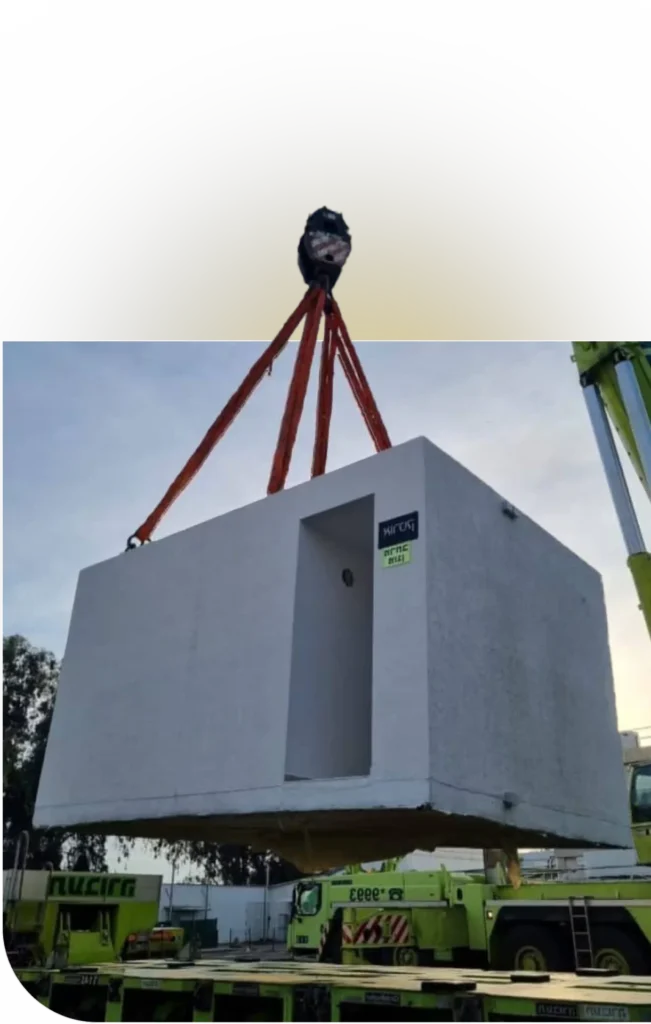
Furthermore polyurea plays a role in constructing blast barriers and shields that can be strategically placed in high risk areas to shield individuals and equipment, from explosion related damage.
Polyurea is valued for its flexibility and durability making it a top choice, for applications due to its ability to withstand blasts without compromising its protective qualities.
Another significant use of polyurea in blast mitigation involves safeguarding pipelines and storage tanks. In industries like oil and gas where explosion risksre prevalent, polyurea coatings offer an added layer of defense against blast related damage. By preventing pipeline and tank ruptures polyurea helps reduce the economic consequences of explosions.
The Role of Polyurea in Blast Mitigations Future
As the demand for blast mitigation solutions grows polyurea is expected to have a prominent role in safeguarding structures and individuals from explosive hazards. Ongoing research aims to enhance the performance of polyurea coatings and broaden their applications. Advances in spray technology for instance are simplifying the process of applying polyurea coatings ensuring coverage for optimal protection.
Polyureas versatility also makes it suitable for addressing emerging challenges in blast mitigation. With evolving threats and identified vulnerabilities the ability to swiftly adapt measures is essential. Polyureas curing time along with its durability and energy absorption properties positions it as a material, for meeting these challenges.
Polyurea is not just used for blast protection. Is also being explored for innovative applications. Researchers are looking into how polyurea can improve the blast resistance of materials, like composites and polymers potentially leading to the creation of lightweight structures that offer high levels of protection without relying on heavy rigid materials.
In conclusion polyurea has proven to be a tool in blast mitigation providing durability, flexibility and energy absorption. Its ability to safeguard structures, vehicles and equipment from explosion related damage has made it a preferred option in both military settings. With the increasing demand for blast materials polyurea is expected to play a role, in promoting safety and resilience in environments facing explosive threats. By investing in polyurea coatings organizations can strengthen their capacity to withstand blasts and safeguard both individuals and infrastructure from harm.